CCTV Security Systems: Everything You Need To Know For Your Business
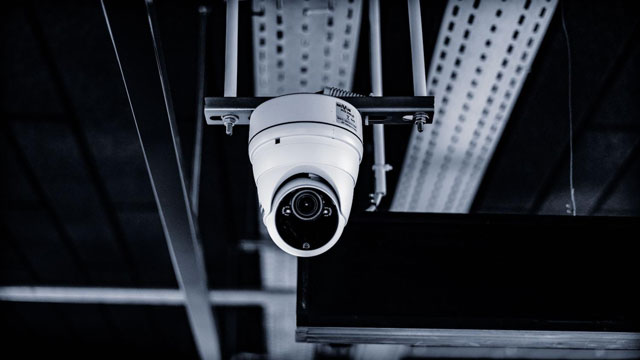
Security cameras have become a common sight at businesses of all sizes. From monitoring entrances and parking lots to keeping an eye on valuable inventory and equipment, a well-designed camera system can give business owners greater visibility into what is happening on their property.
But installing cameras is only one part of an effective video security strategy. How your cameras record, how footage is accessed, and whether someone is actively monitoring your property can all influence how useful your system is when a security incident occurs.
If you're considering CCTV monitoring for your business, here's what you should know about how these systems work, what they can do, and the different monitoring options available.
What Is a CCTV Security Camera?
CCTV stands for closed-circuit television. Unlike broadcast television, where a signal is made publicly available, CCTV footage is transmitted within a private system to designated monitors, recording equipment, or other authorized devices.
A CCTV camera for security captures video of a designated area, such as:
- Building entrances and exits
- Parking lots
- Loading docks
- Warehouses and storage areas
- Retail floors
- Offices
- Equipment yards
- Building perimeters
A complete CCTV system typically includes multiple cameras along with the equipment and software required to transmit, view, manage, and store the footage.
While traditional CCTV systems were primarily analog, today's commercial systems can include digital and IP cameras that transmit footage over a network and offer features such as remote access, higher-resolution video, analytics, and automated alerts.
How Does CCTV Monitoring Work?
At its simplest, a CCTV system captures video from cameras positioned throughout your property and makes that footage available for live viewing or later review. However, CCTV monitoring can mean different things depending on how the system is configured.
Recorded Video Surveillance
Cameras can continuously or periodically record footage that is stored for later review. If an incident occurs, a business owner or security professional can go back through the footage to determine what happened.
Recorded footage can be particularly useful for investigating theft, vandalism, property damage, workplace incidents, or other security concerns.
The limitation is that recorded footage is generally reactive. It can help you understand what happened, but someone may not see the incident until after it has already occurred.
Self-Monitored CCTV
Modern camera systems can also give business owners and managers remote access to live or recorded footage through a smartphone, tablet, or computer.
Depending on the system, you may receive an alert when motion or another predetermined event is detected and then access the camera to see what is happening.
This provides greater visibility when you're away from your property, but responding to alerts ultimately remains your responsibility.
Live Video Monitoring
There are benefits to both live monitoring and CCTV and they’re closely related and often combined. With professional live video monitoring, trained operators can monitor alerts and activity on your property on your behalf.
Rather than waiting until the next morning to discover that someone entered a restricted area, a monitored system can identify suspicious activity as it occurs. Depending on the situation and the system in place, operators can assess what is happening and follow established response protocols.
For businesses with outdoor assets, large properties, equipment yards, parking areas, or other vulnerable spaces, this can shift video surveillance from simply documenting incidents to helping address potential threats in real time.
What Are the Benefits of CCTV Monitoring for Businesses?
The right CCTV system can support several aspects of your overall security strategy.
-
Greater visibility:
Cameras allow you to monitor areas of your property that can't realistically have someone watching them in person at all times.
-
Crime deterrence:
Visible security cameras can make it clear that activity on the property is being observed and recorded.
-
Evidence after an incident:
Recorded footage can provide valuable information when investigating theft, vandalism, break-ins, or other incidents.
-
Remote property access:
Modern systems can allow authorized users to check their property even when they're off-site.
-
Real-time response:
When paired with live video monitoring, CCTV can help identify and respond to potential security events while they're happening rather than simply providing footage afterwards.
CCTV can also work alongside other commercial security measures, including intrusion alarms and access control, to create a more comprehensive system.
What Is the Difference Between a CCTV Camera and a Security Camera?
The terms "CCTV camera" and "security camera" are often used interchangeably, and there is significant overlap between them.
A security camera is a broad term for a camera used to monitor and protect a property. CCTV refers more specifically to a closed video surveillance system where footage is transmitted to designated recording or viewing equipment rather than publicly broadcast.
Historically, CCTV was associated primarily with hardwired analog systems. Today, commercial video surveillance may use IP cameras, network video recorders, cloud connectivity, remote viewing, and other technologies while still commonly being described as CCTV.
For a business owner, the terminology is generally less important than choosing cameras and monitoring capabilities that suit the property and its security risks.
Do CCTV Cameras Record All the Time?
They can, but they don't necessarily have to. A CCTV system may be configured for continuous recording, meaning cameras record 24 hours a day, or event-based recording, where recording is triggered by motion or another defined event.
The right setup depends on factors such as your security needs, the areas being monitored, storage requirements, business hours, and the technology being used. For example, a business may want continuous coverage of a high-risk entrance while using event-based recording in other areas.
This is one reason why CCTV systems should be designed around the individual property rather than taking a one-size-fits-all approach.
What Should You Look for in a Business CCTV System?
Before installing or upgrading your system, think about what you actually need your cameras to accomplish. Start by identifying the areas of your property that present the greatest security risks. Consider entrances, blind spots, outdoor assets, restricted areas, parking lots, and locations where valuable equipment or inventory is stored.
From there, important considerations can include:
- Camera placement and field of view
- Image quality and resolution
- Indoor versus outdoor cameras
- Low-light and nighttime performance
- Video storage and retention
- Remote viewing capabilities
- Automated video analytics
- Integration with existing security systems
- Self-monitoring versus professional live monitoring
- Future expansion needs
A professional security assessment can help identify vulnerabilities that may otherwise be overlooked and determine where cameras will provide the most useful coverage.
Build a CCTV System Around Your Business
There isn't one CCTV system that's right for every commercial property. A small office, retail store, warehouse, construction site, and industrial facility all have different layouts, risks, operating hours, and security priorities. Your camera system should reflect those differences.
Securco has been providing customized commercial security solutions on Vancouver Island for more than 45 years. Rather than relying on pre-packaged systems, we work with businesses to determine the cameras, technology, and level of monitoring that make sense for their property.
For businesses looking for a more proactive approach, Securco also offers live video monitoring through our Vancouver Island-based monitoring station, helping you keep a closer eye on your property when you can't be there yourself.
Ready to improve your business's video security? Contact Securco to discuss a CCTV and video monitoring solution designed around your property.